
Open technique
Open technique is a project I began in order to get through a crisis, at a time when my painting was badly stuck.
Whenever I work, I feel as though I am throwing myself at bare ground. But usually, after getting through the blank stretch and finishing a few paintings, I begin to see a thread — what had been making the work difficult, what needed to change. Sometimes a problem I have turned over for a long time resolves itself in an instant. That time, though, there seemed to be no answer at all.
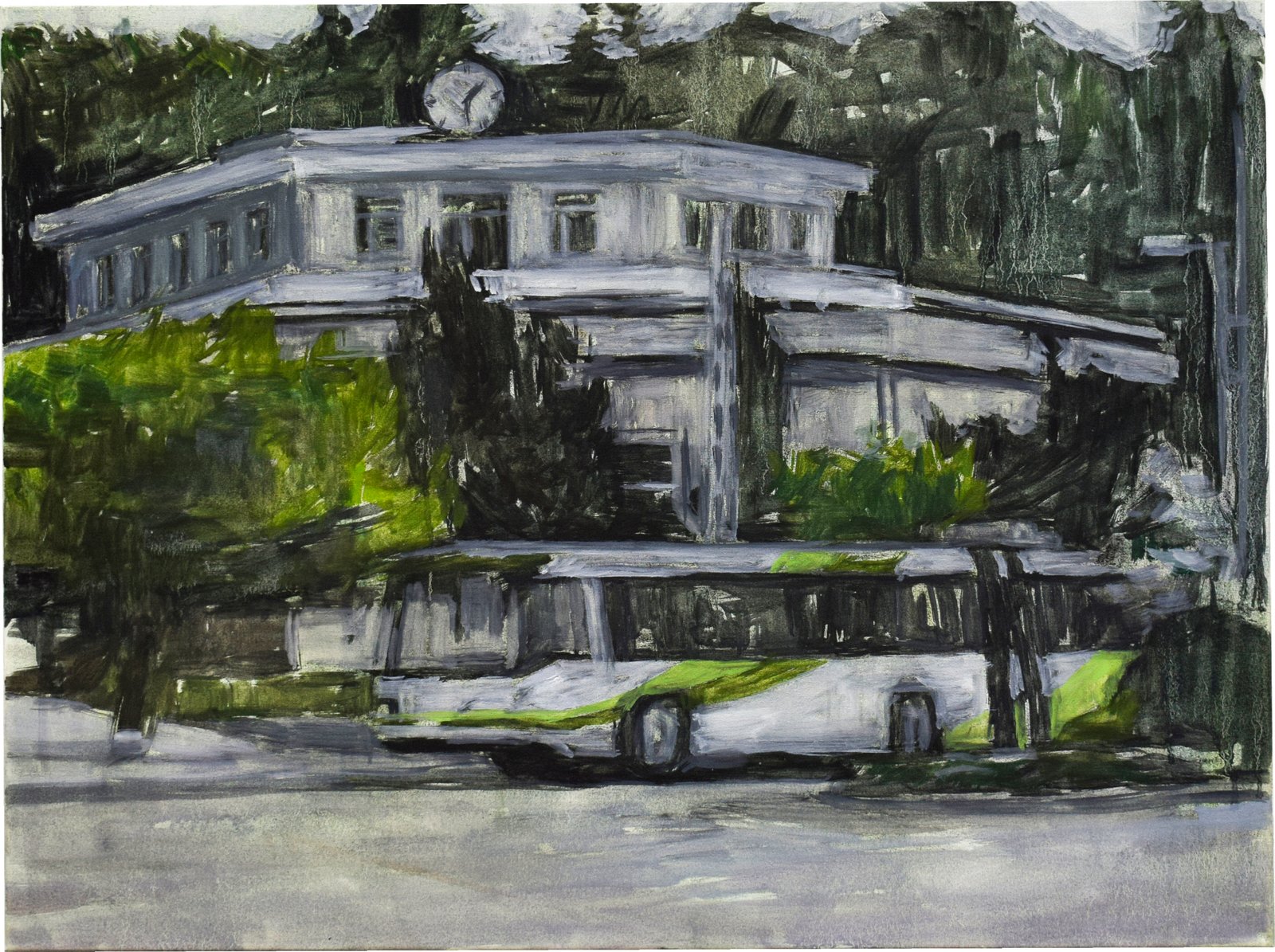
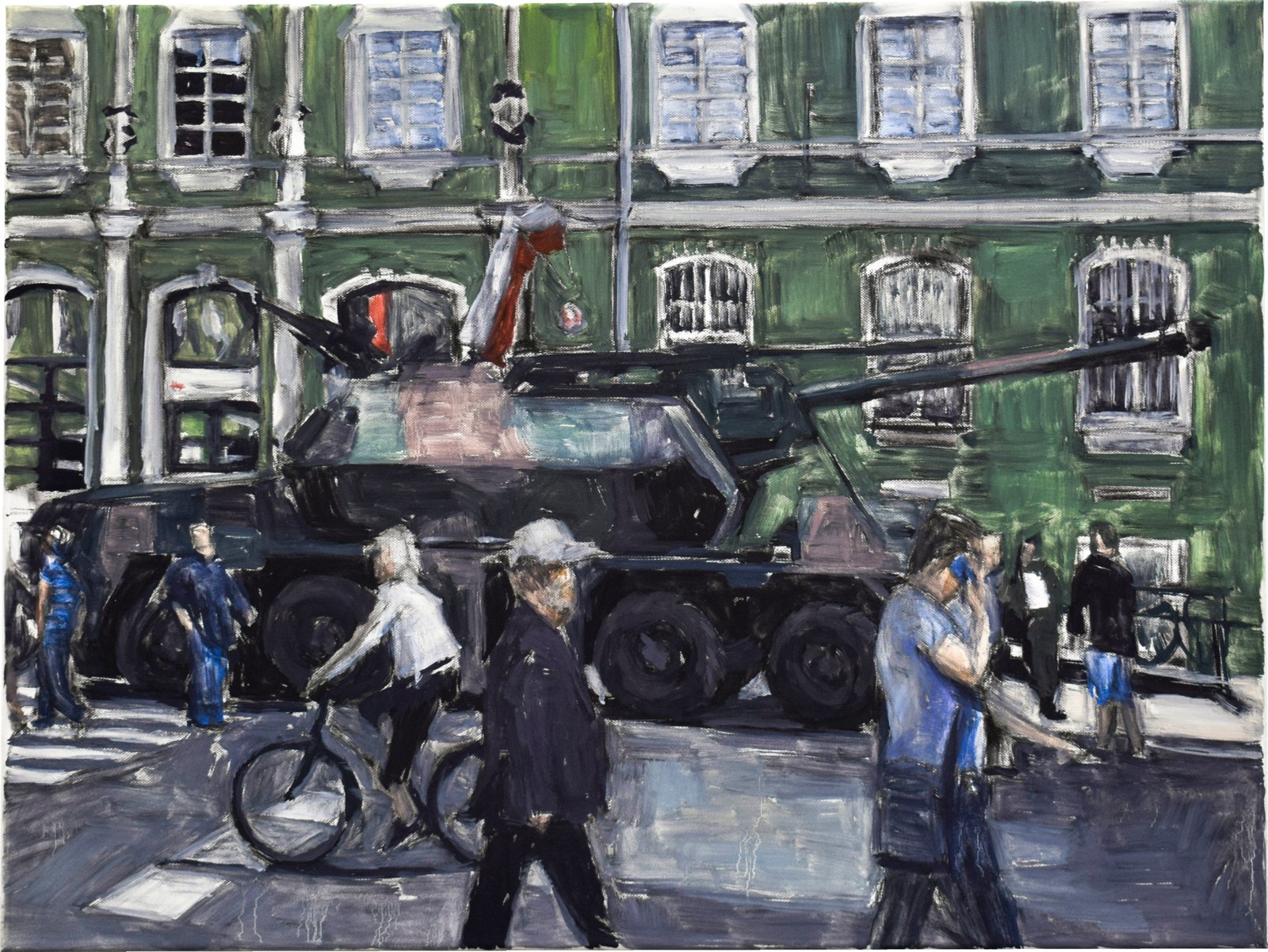
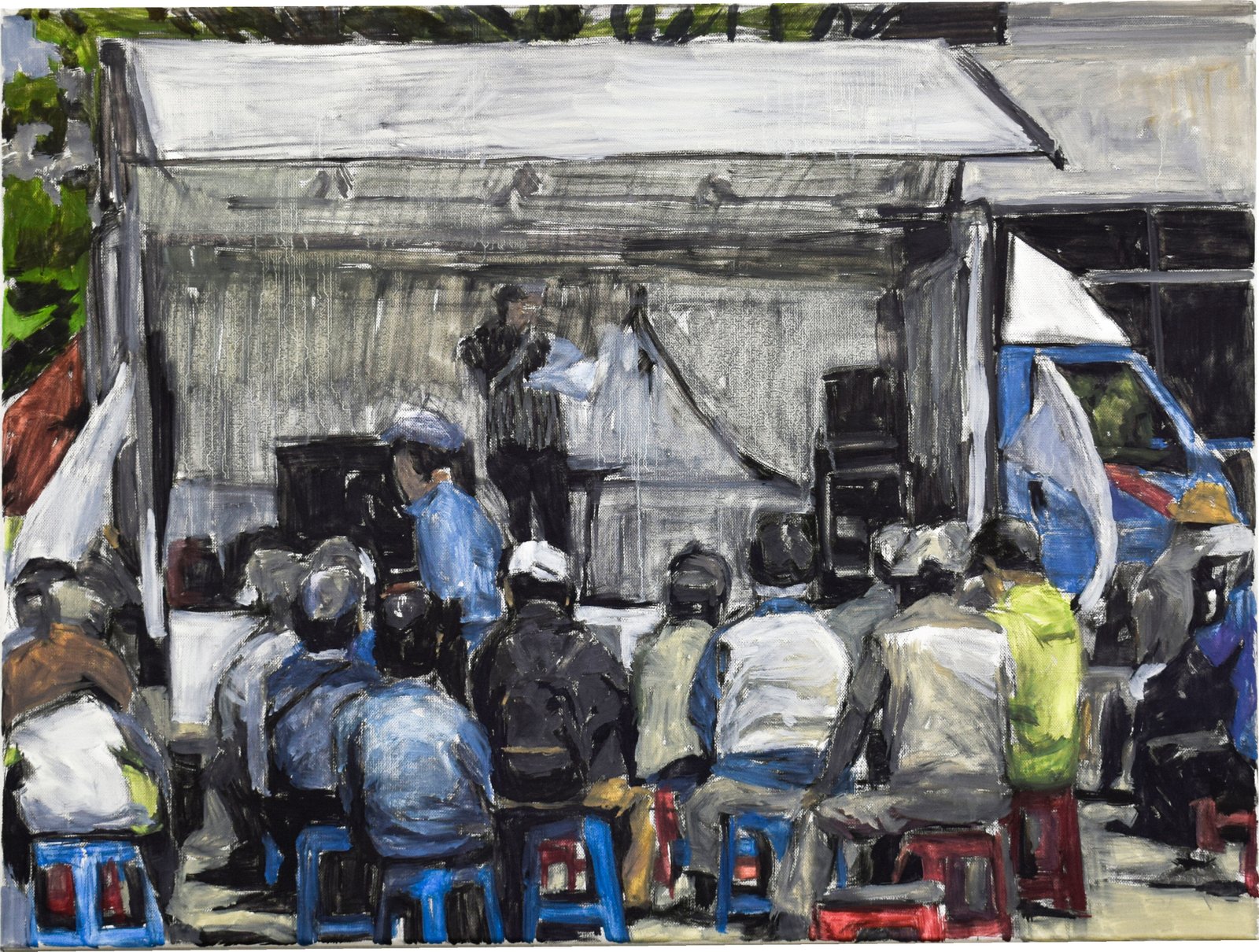
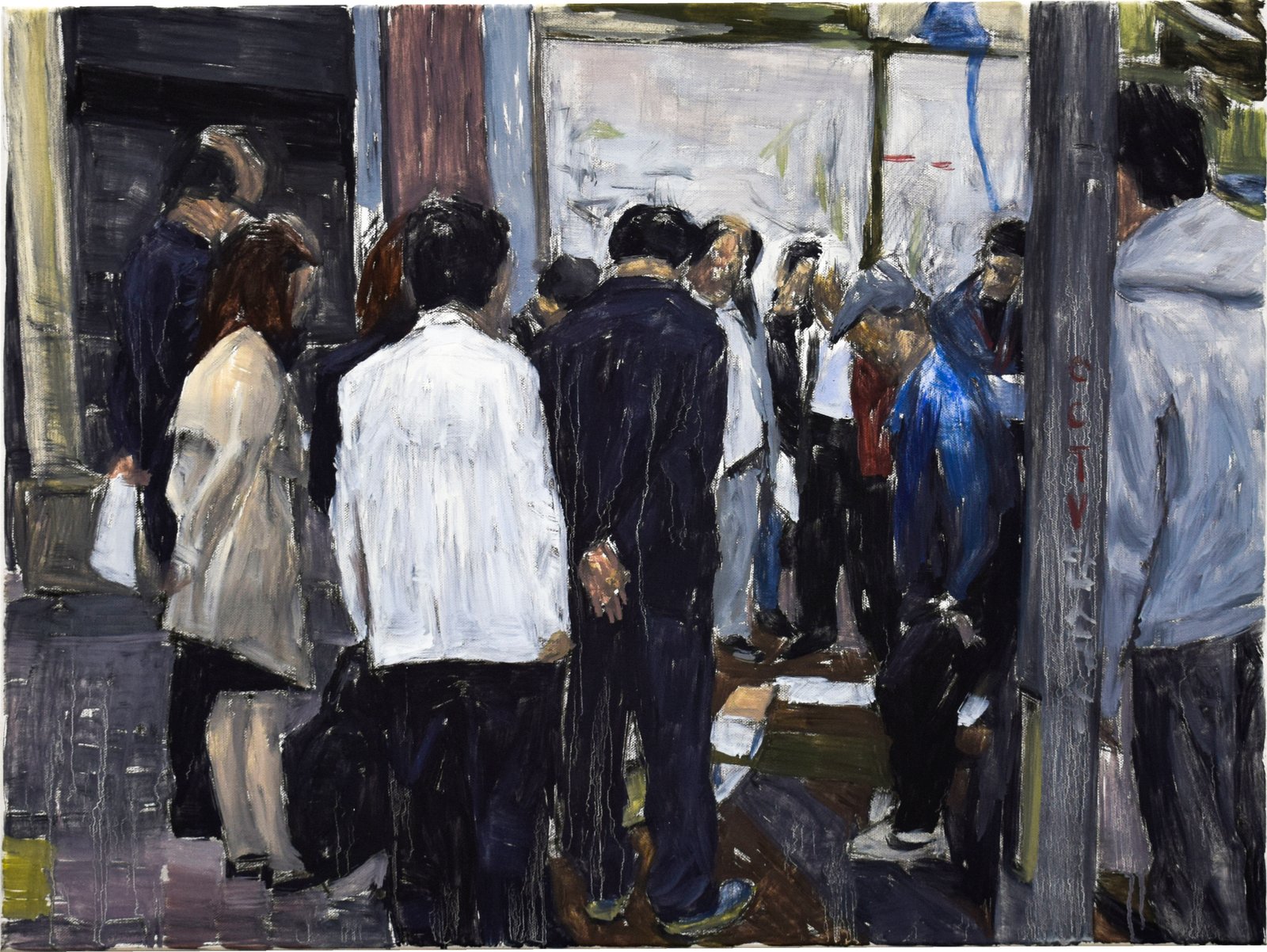
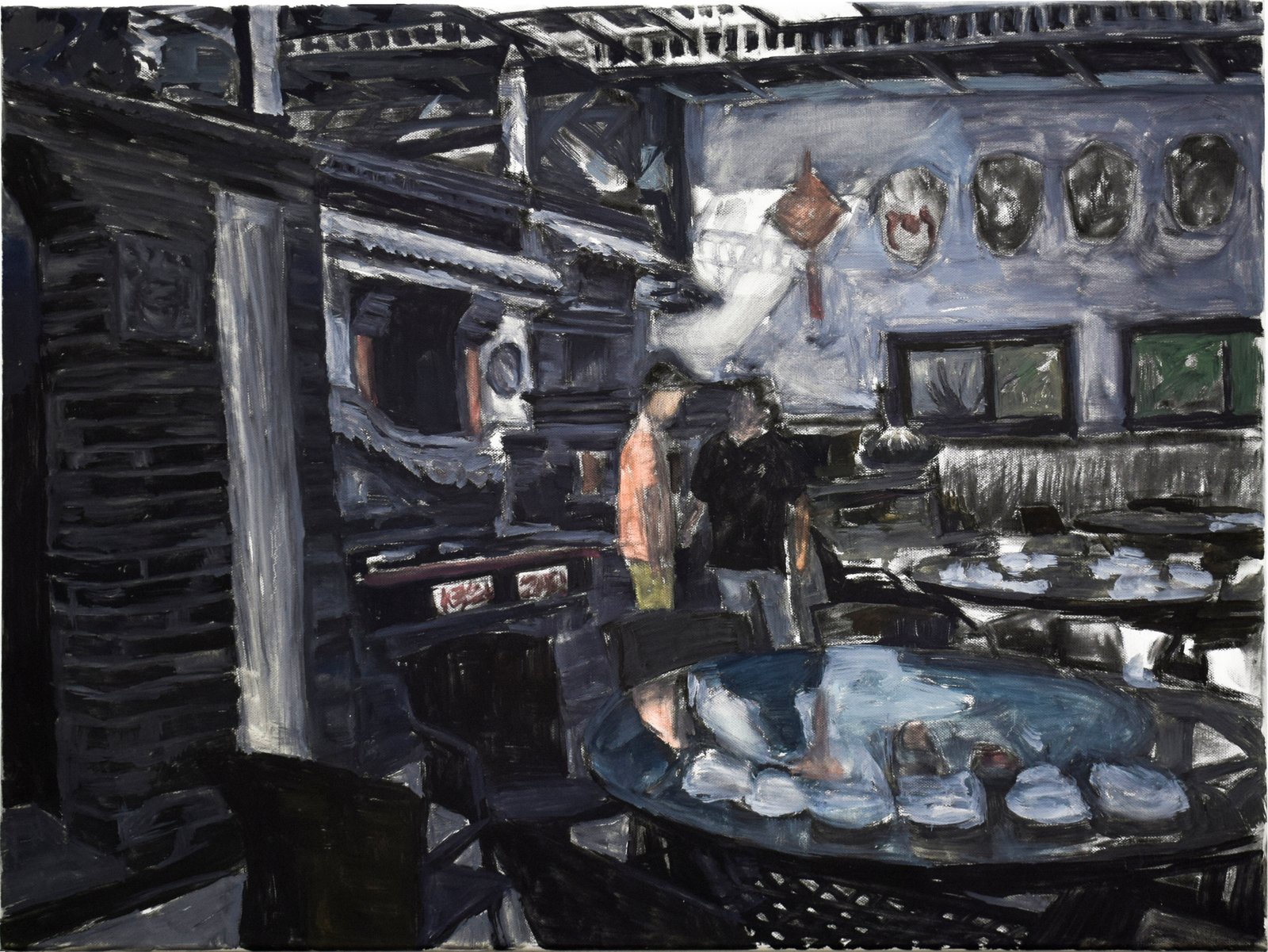
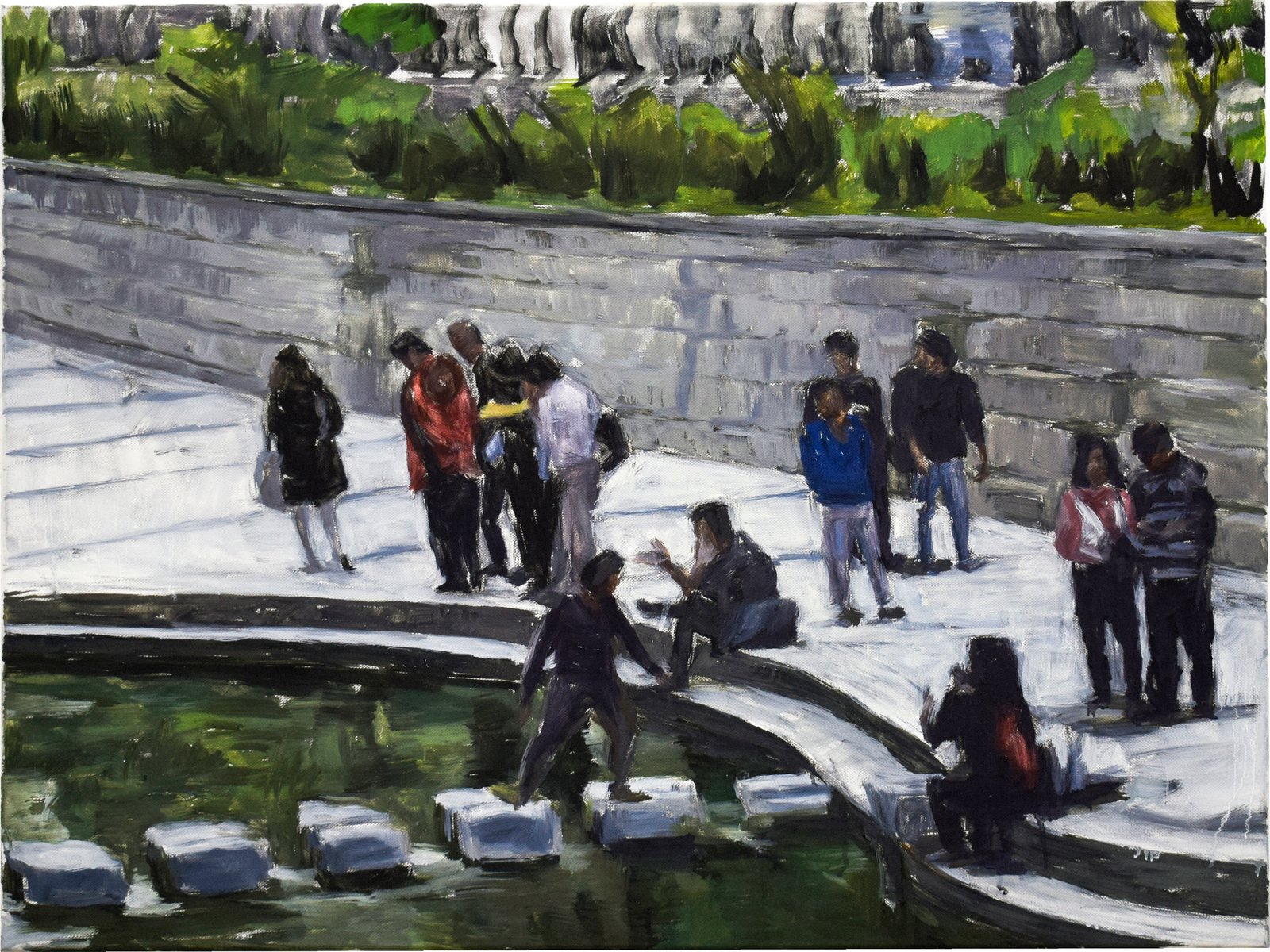
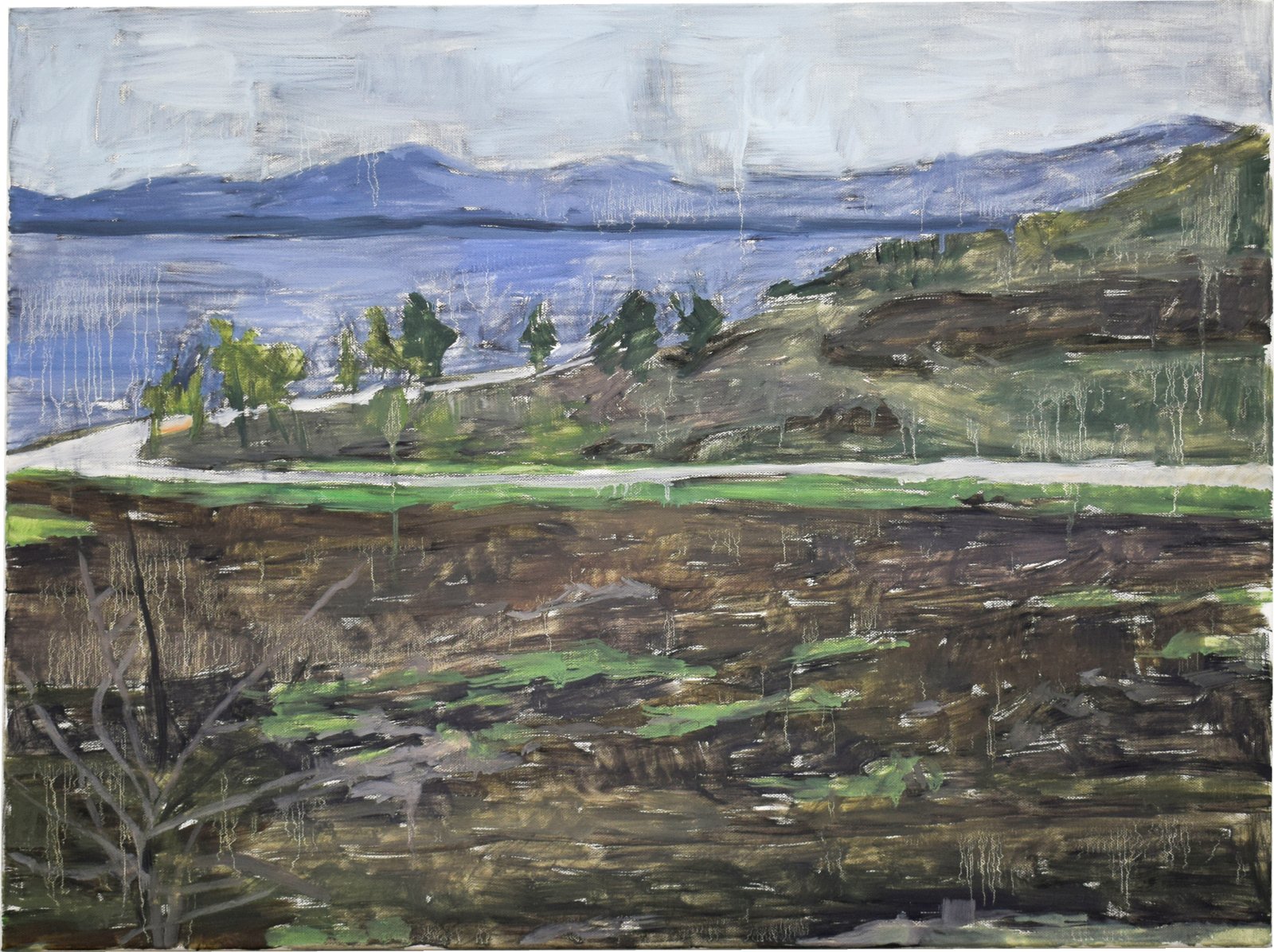
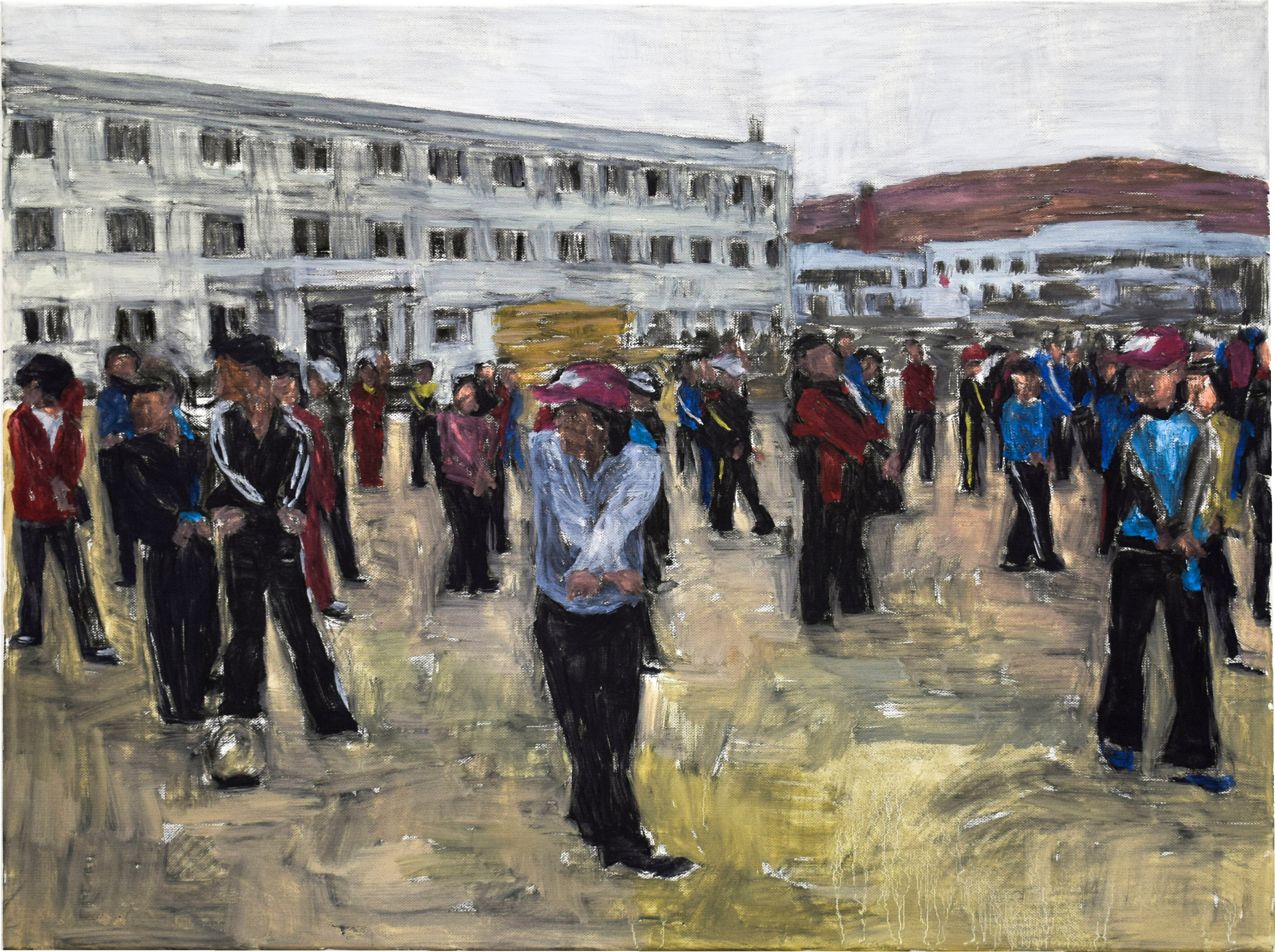
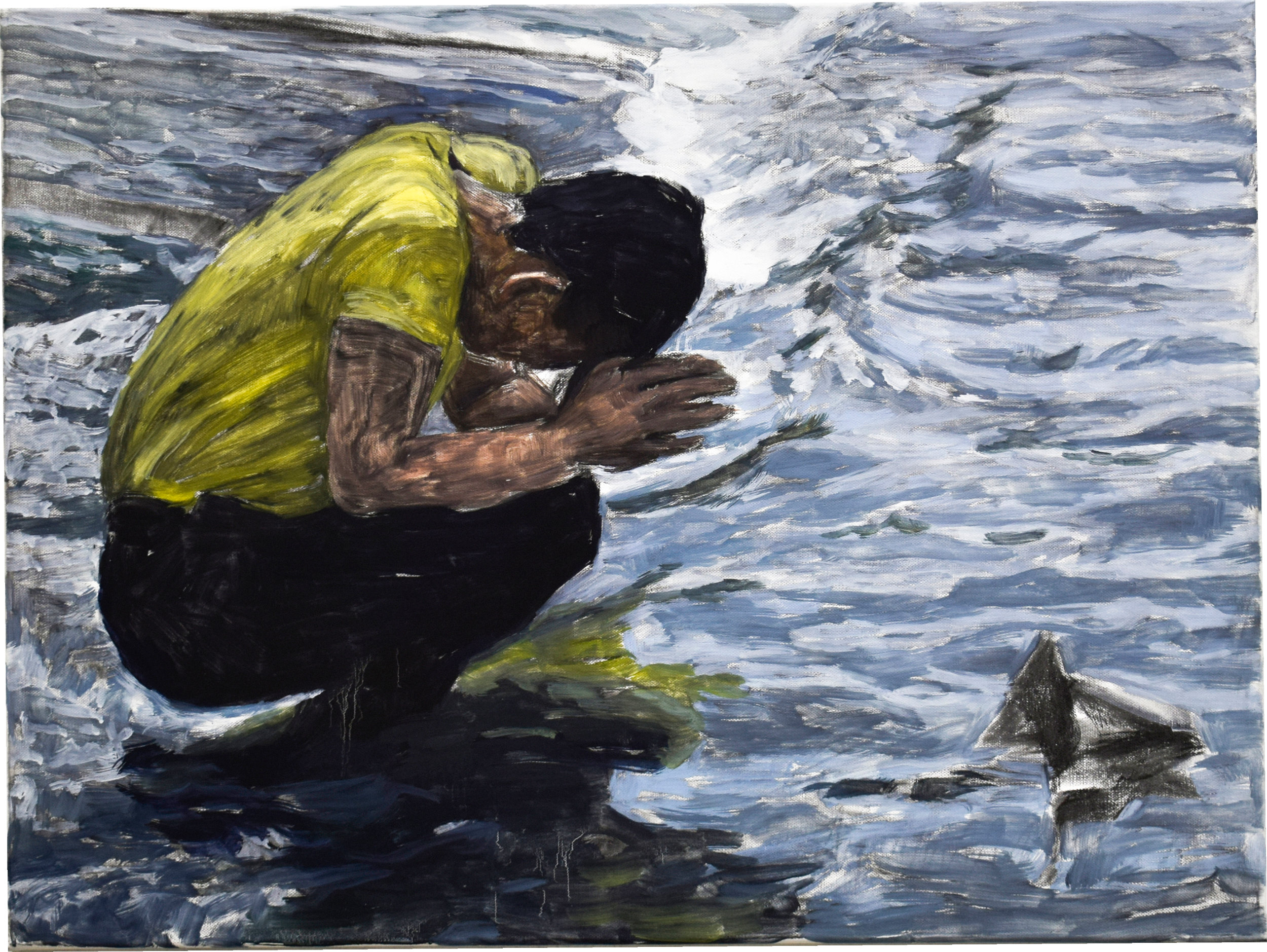
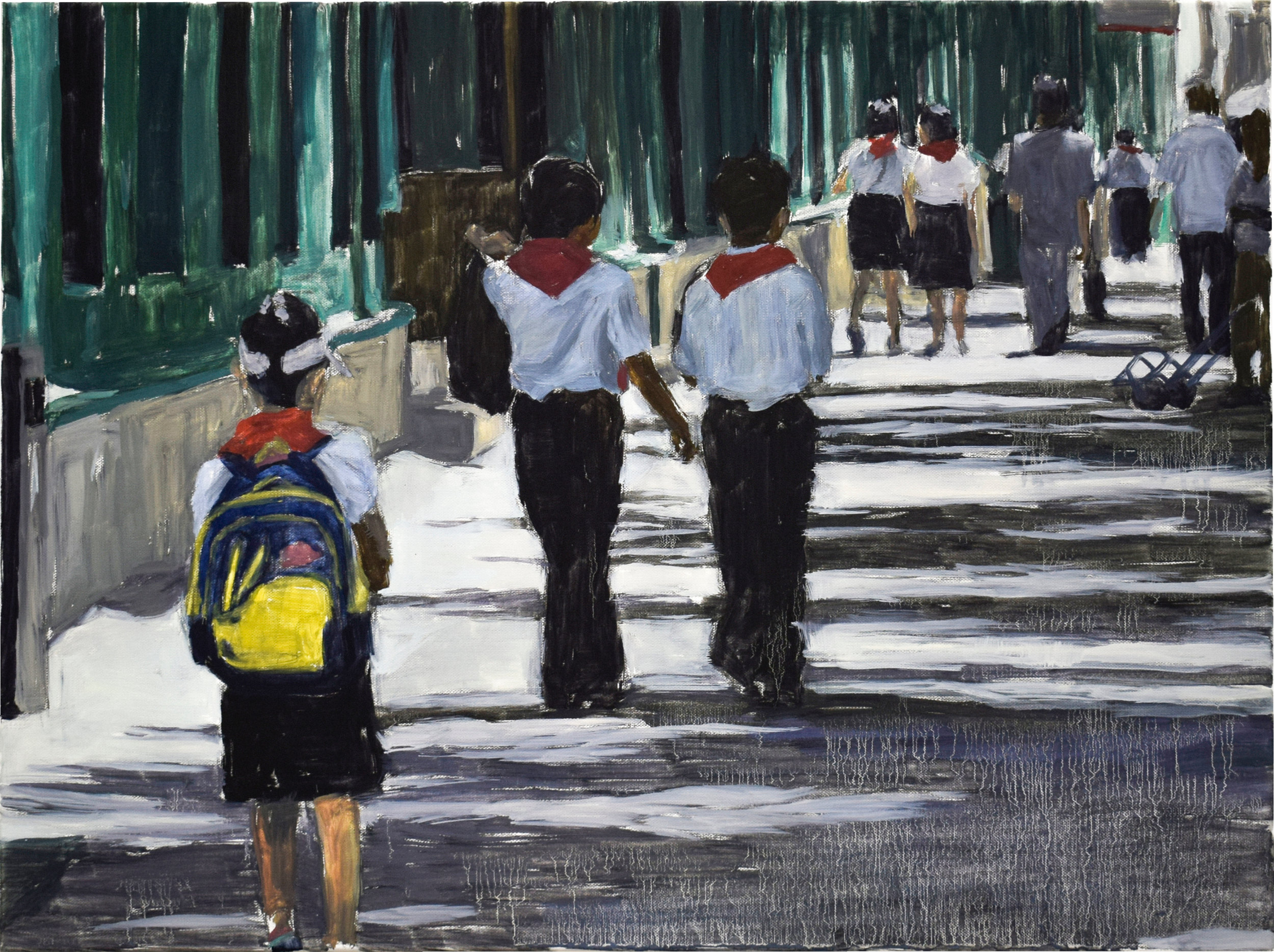
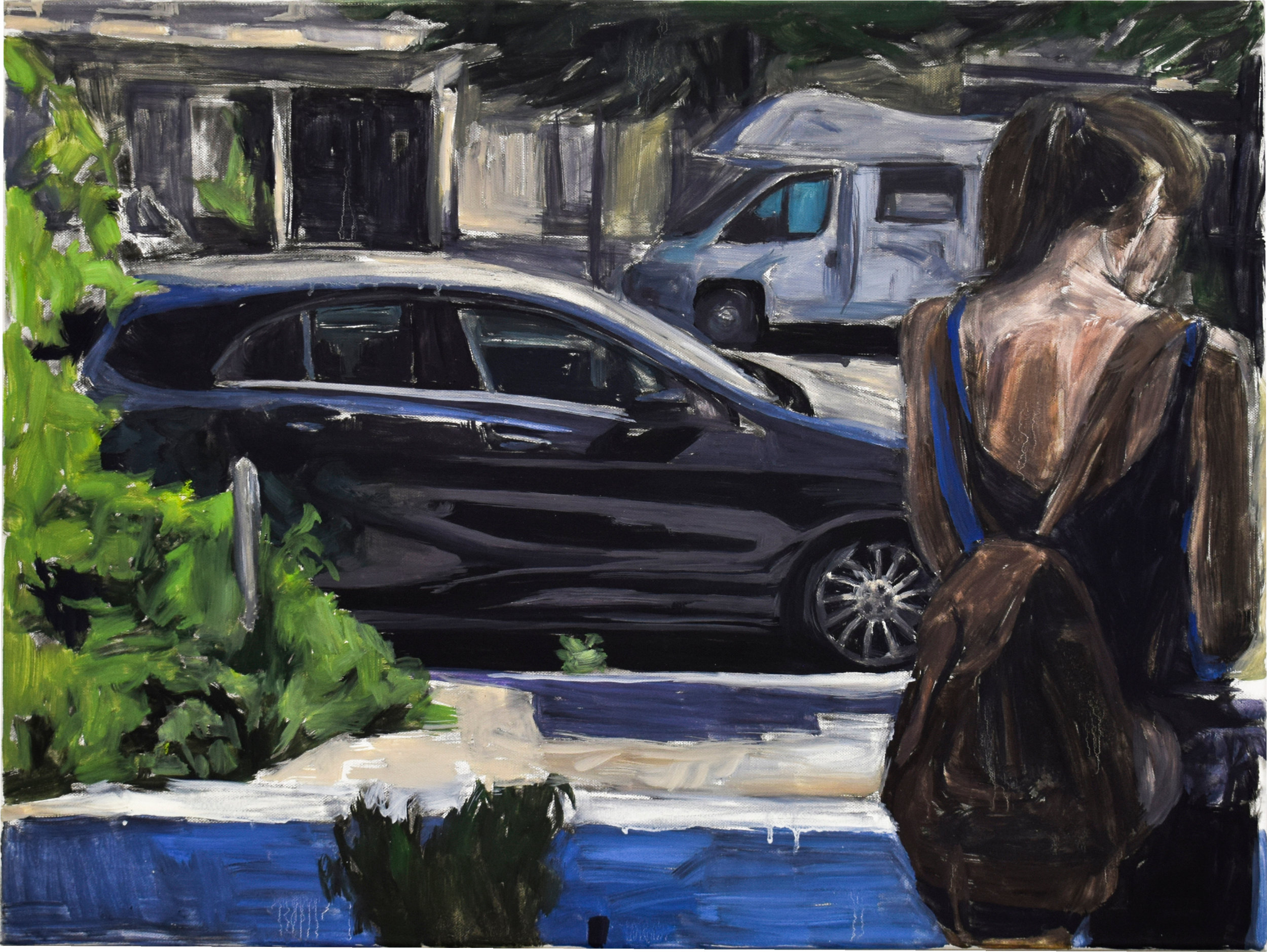
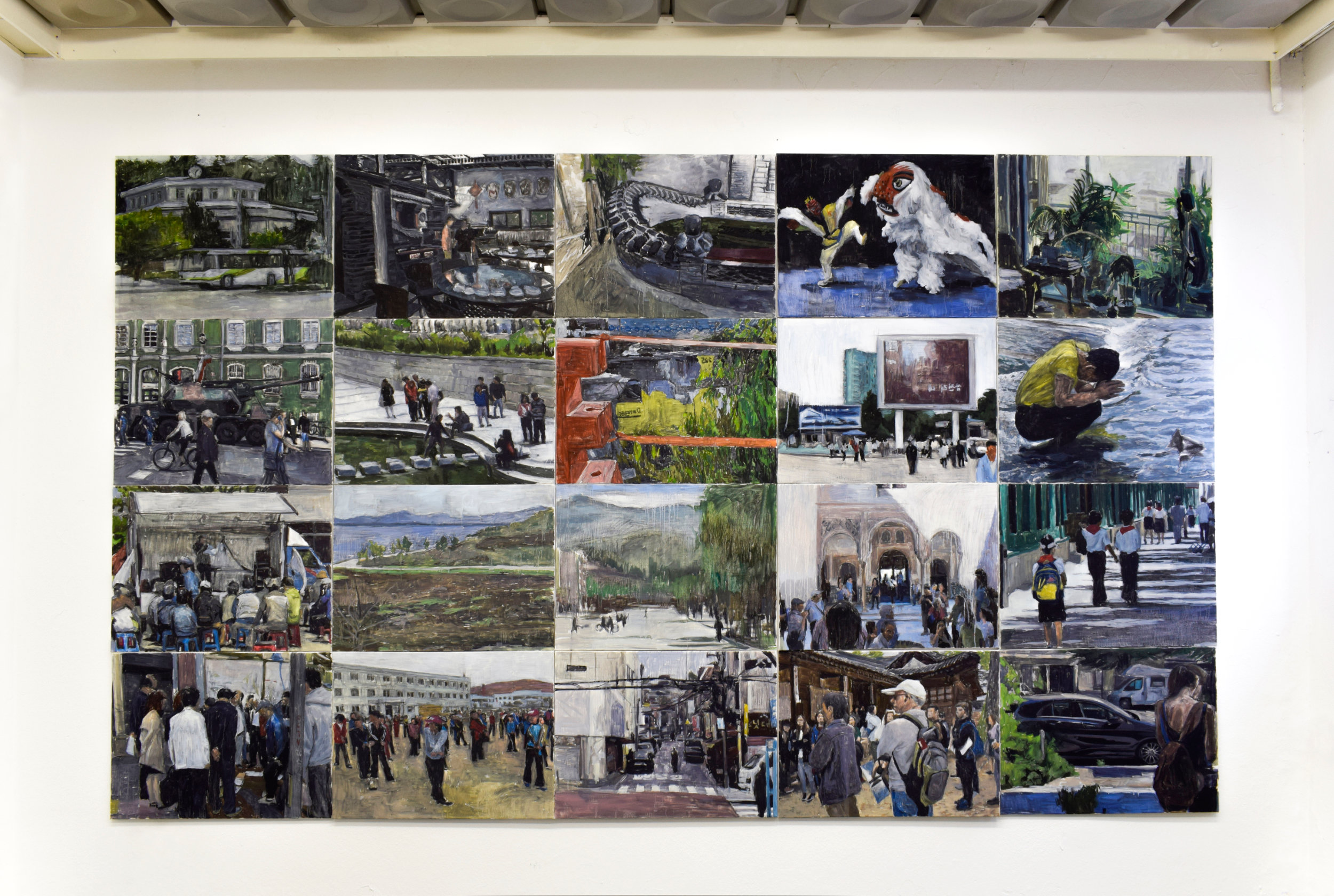
So I decided to take the force out. To be less painstaking. I chose whatever I intuitively wanted to paint, set the structure, tone and form in charcoal, worked in oil as fast as I could, and stopped at the point where it intuitively seemed finished. Normally I spend a long time going back over that judgement, asking whether it was right. I wanted to compress that time as far as possible and let the painting be done.
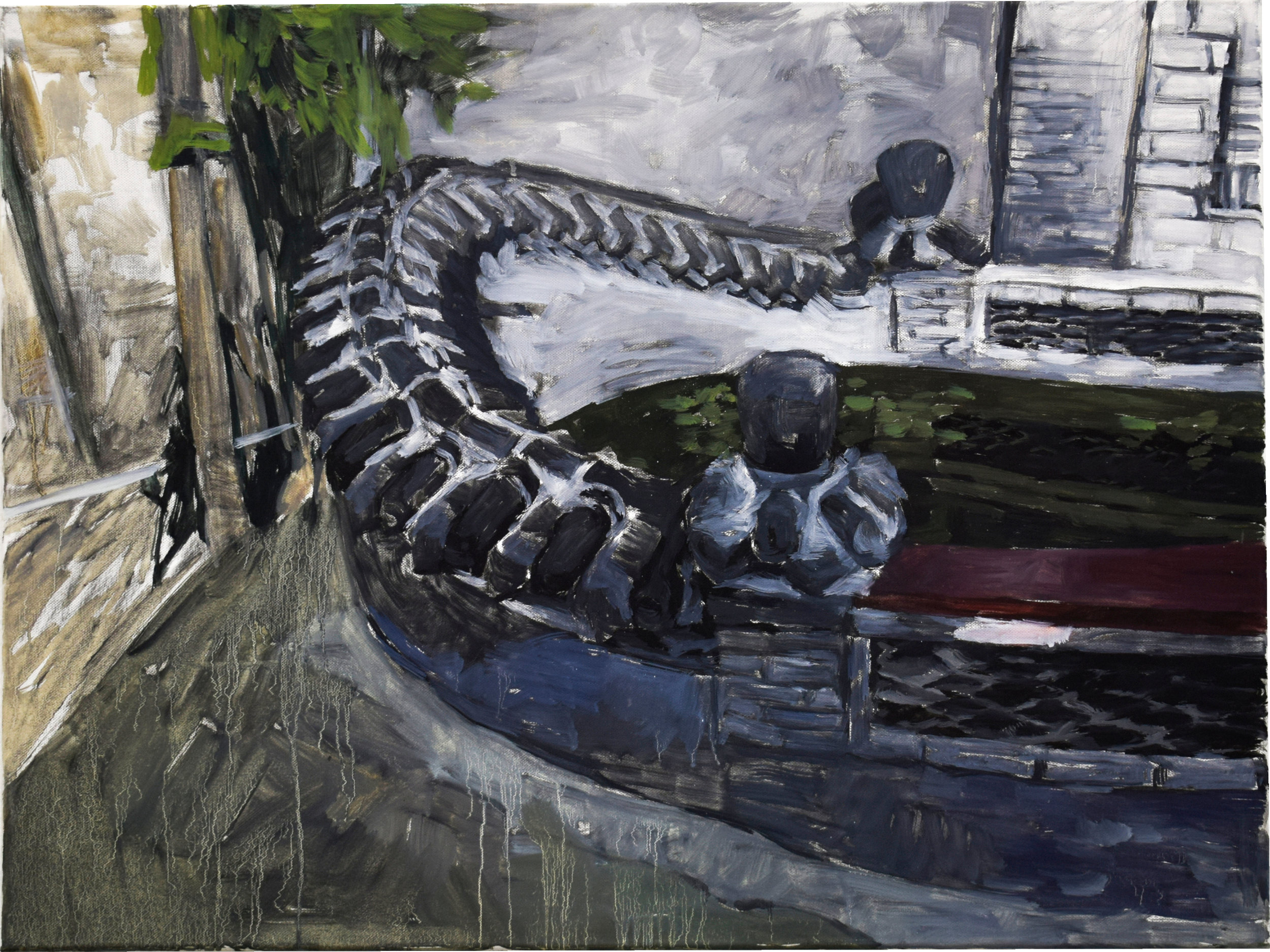
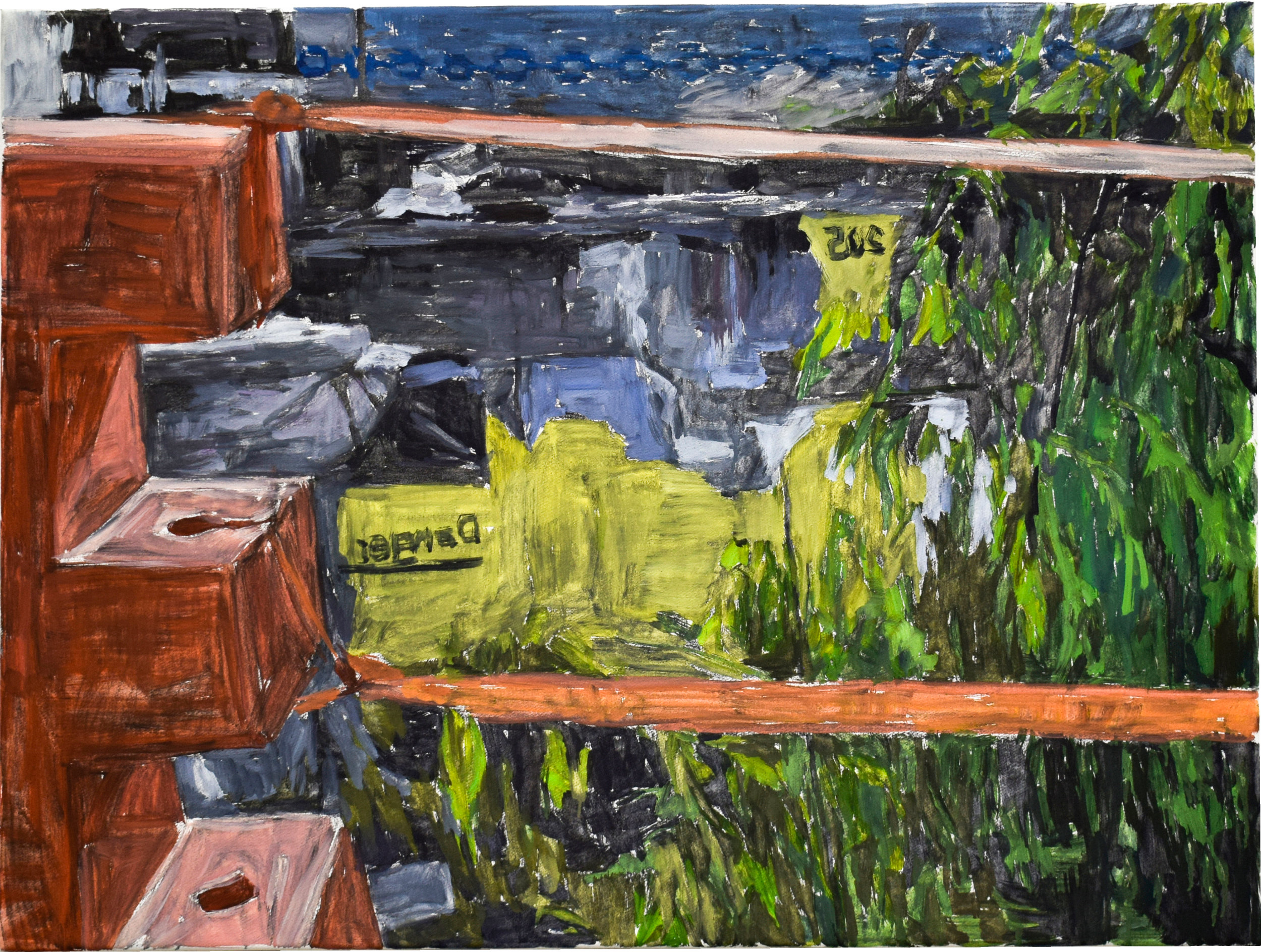
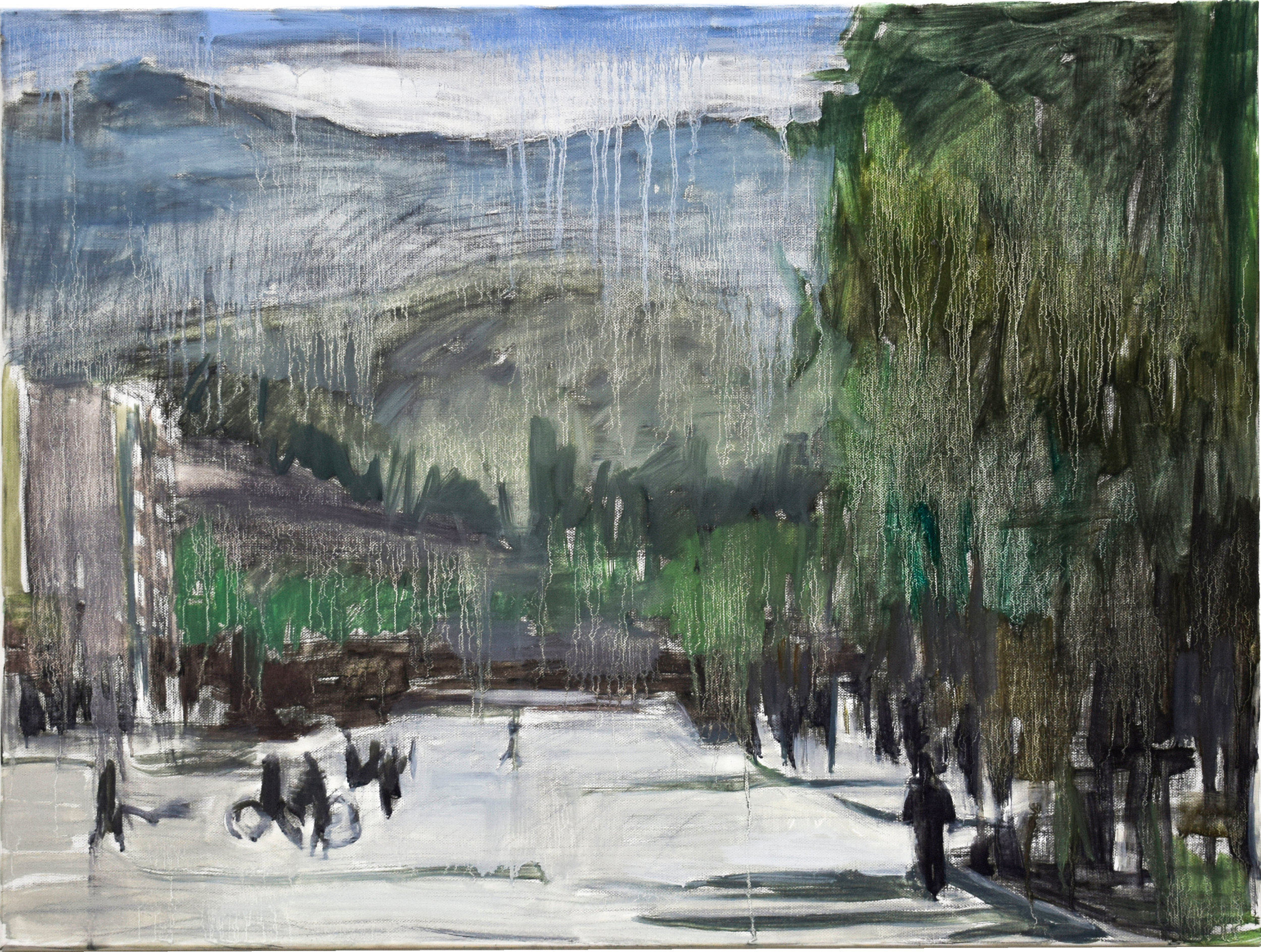
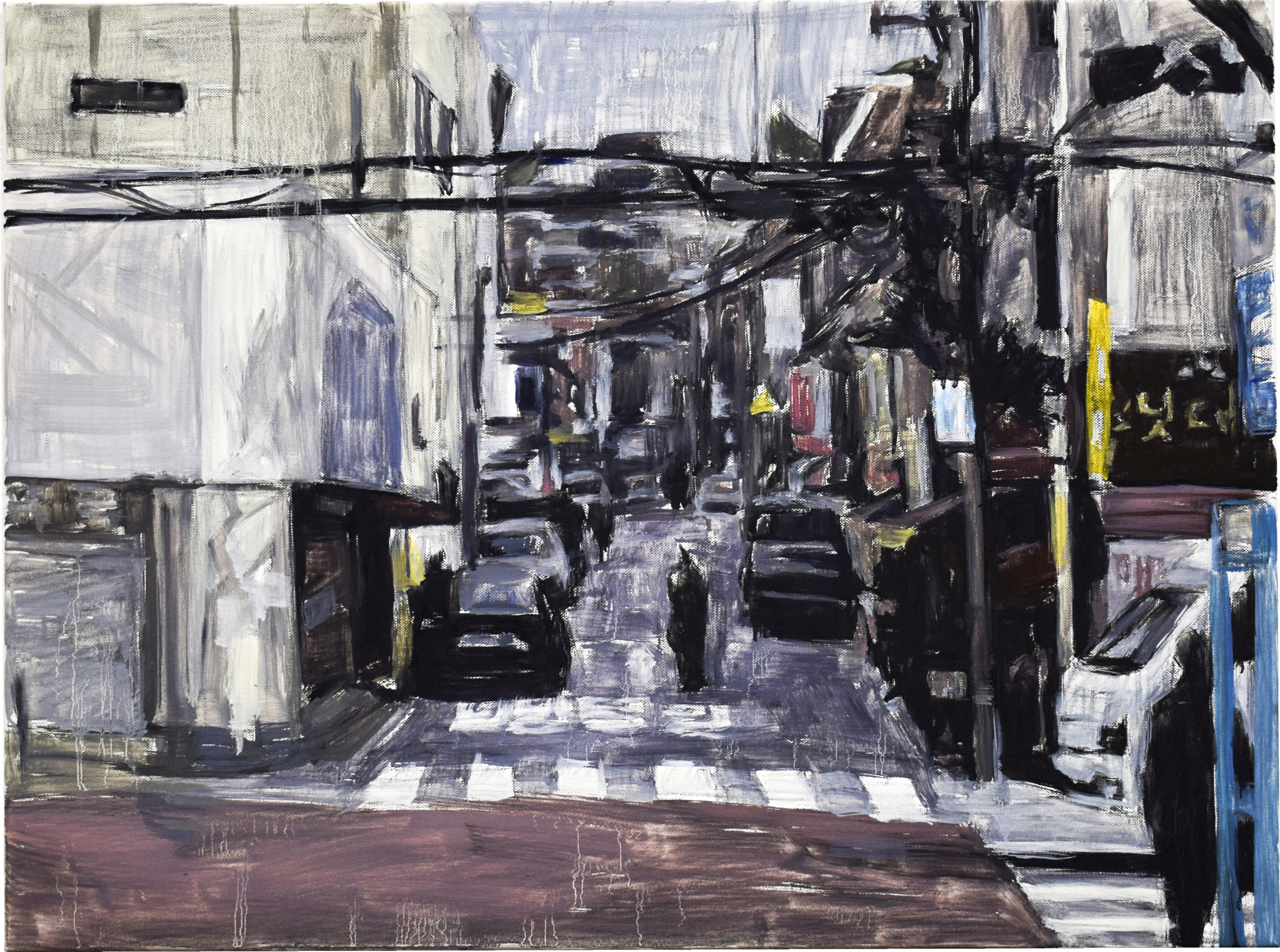
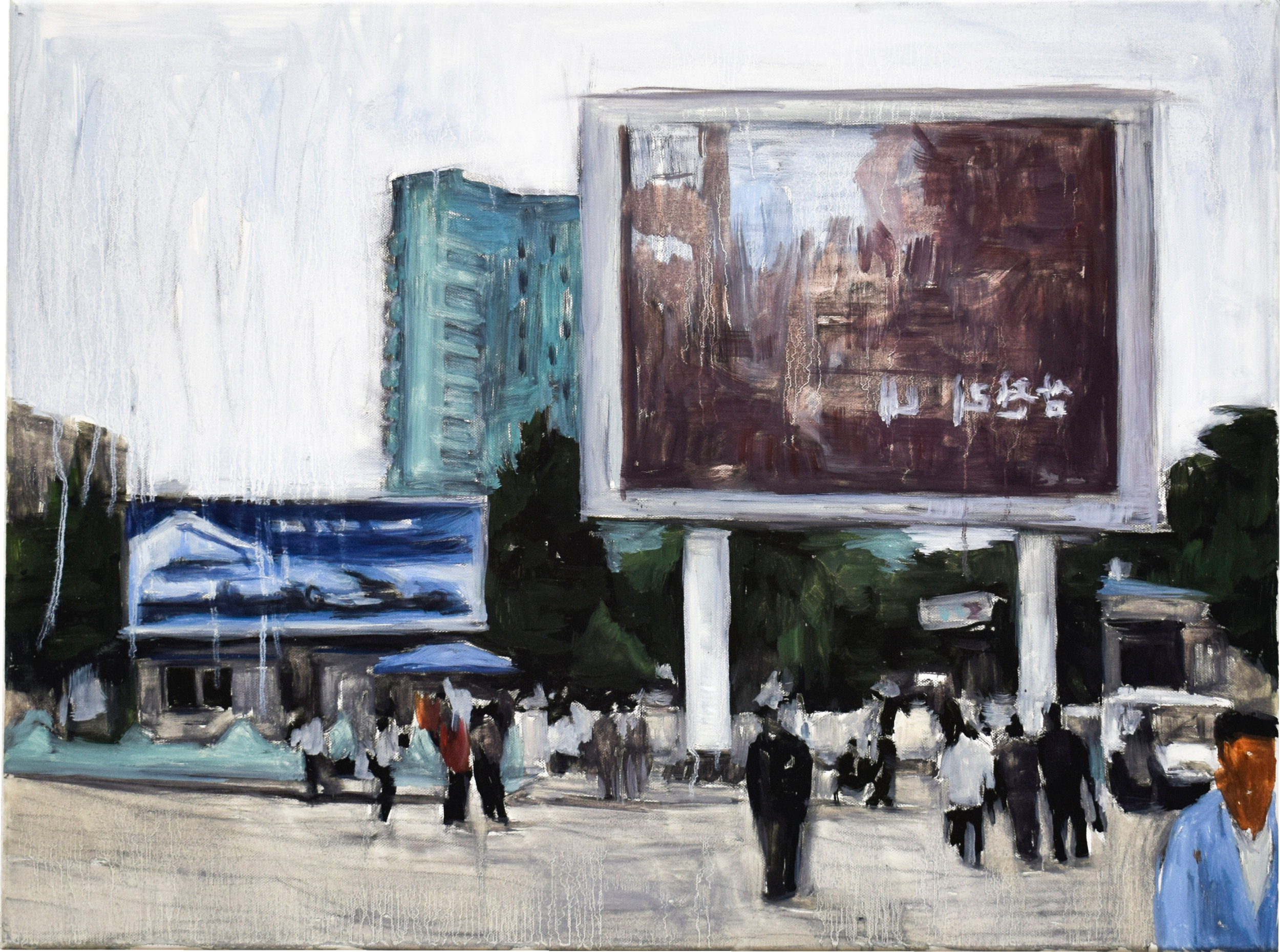
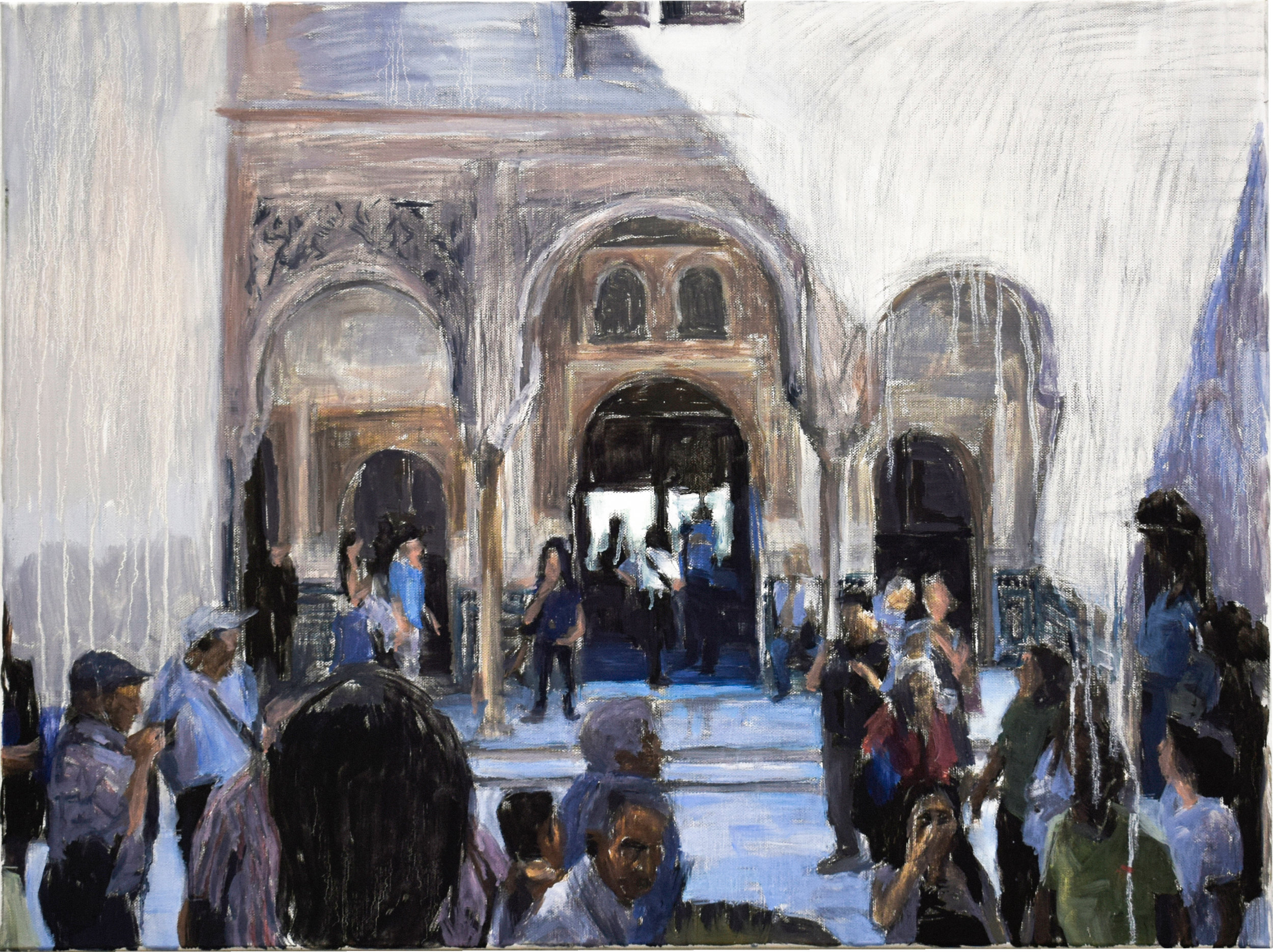
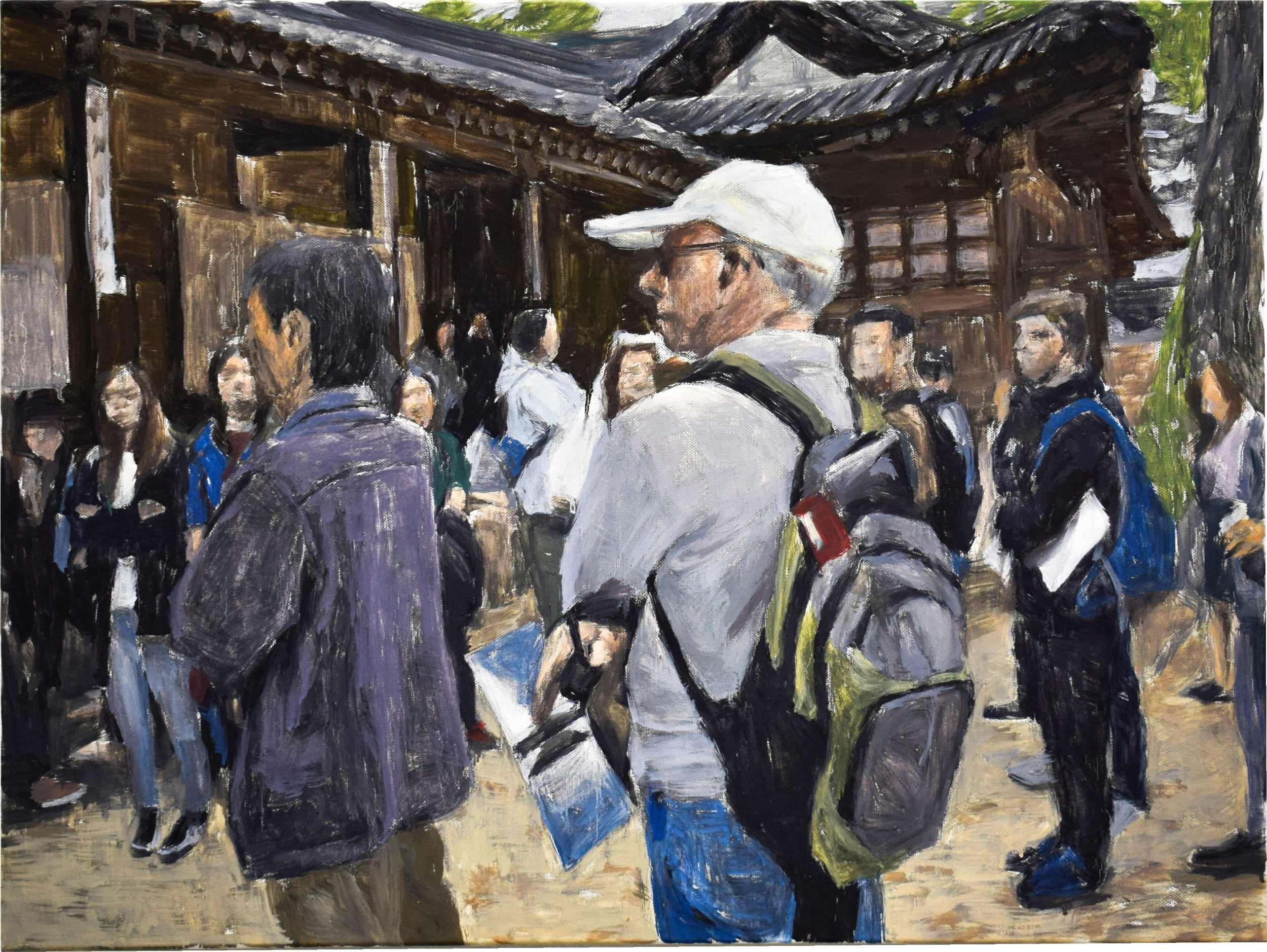
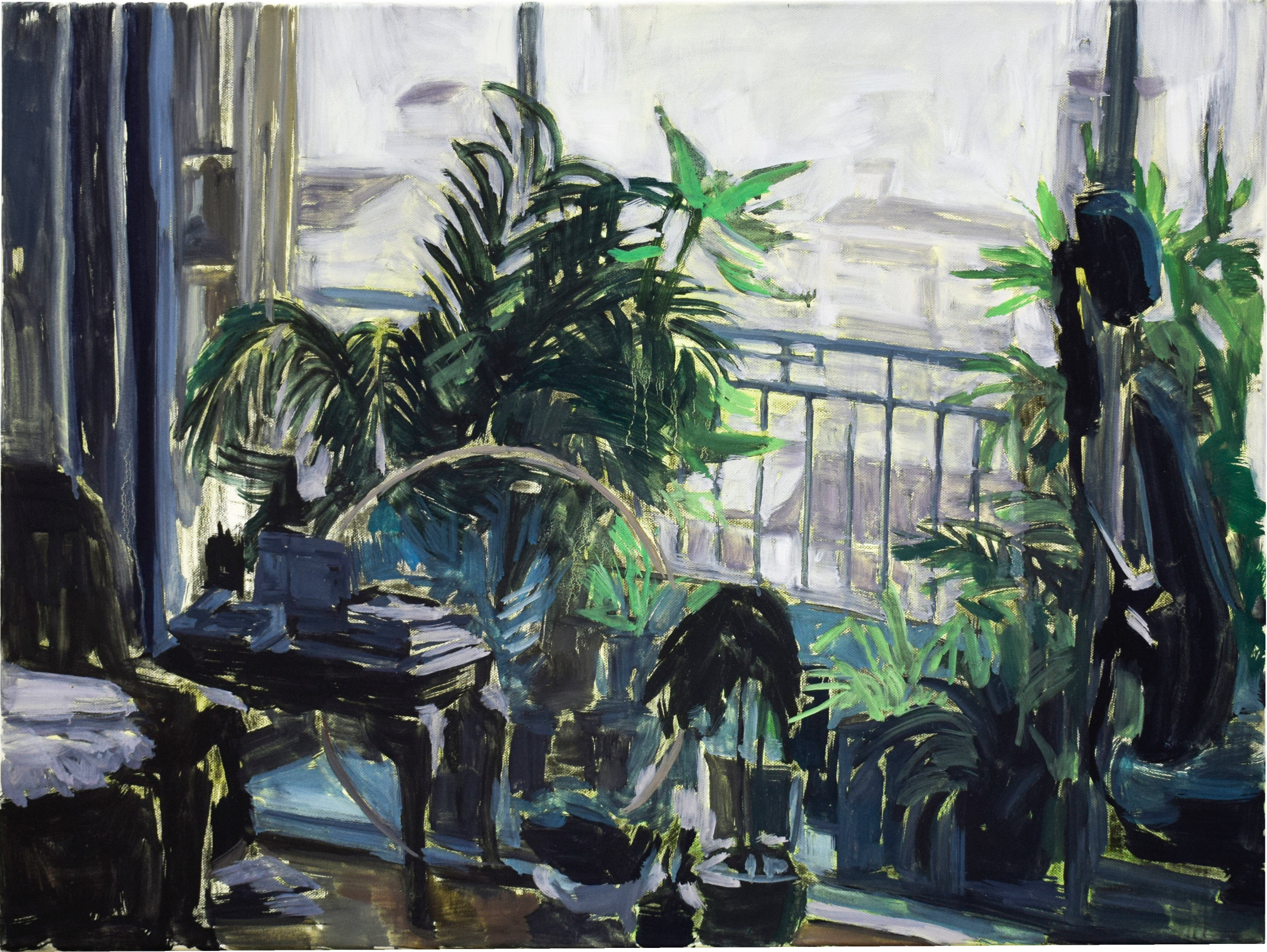
The bare ground of the canvas was left showing in places, and the charcoal marks of the sketch stayed on the surface. The runs of paint, the order in which the brushstrokes had been laid one over another — the whole process remained visible in the result. Repeating this some thirty times, I learned how to put breath back into a painting. How to add force by taking force out.
Open technique is a project I began in order to get through a crisis, at a time when my painting was badly stuck.
Whenever I work, I feel as though I am throwing myself at bare ground. But usually, after getting through the blank stretch and finishing a few paintings, I begin to see a thread — what had been making the work difficult, what needed to change. Sometimes a problem I have turned over for a long time resolves itself in an instant. That time, though, there seemed to be no answer at all.
So I decided to take the force out. To be less painstaking. I chose whatever I intuitively wanted to paint, set the structure, tone and form in charcoal, worked in oil as fast as I could, and stopped at the point where it intuitively seemed finished. Normally I spend a long time going back over that judgement, asking whether it was right. I wanted to compress that time as far as possible and let the painting be done.
The bare ground of the canvas was left showing in places, and the charcoal marks of the sketch stayed on the surface. The runs of paint, the order in which the brushstrokes had been laid one over another — the whole process remained visible in the result. Repeating this some thirty times, I learned how to put breath back into a painting. How to add force by taking force out.
열린 기법
열린 기법은 내 그림이 지독하게 막히던 시기, 위기를 넘기기 위해 시작한 프로젝트다.
나는 늘 작업을 할 때 맨땅에 헤딩하는 느낌을 받는다. 하지만 보통은 막막한 시간을 버티며 몇 장의 그림을 끝내고 나면, 무엇이 진행을 어렵게 했는지, 무엇을 바꿔야 하는지 실마리가 보인다. 가끔 오랜 시간 고민한 문제들이 한순간 해결되는 경우도 있다. 그러나 이 당시는 도무지 답이 없는 것 같았다.
그래서 힘을 빼 보기로 했다. 덜 정성껏 그려 보기로 했다. 직관적으로 그리고 싶은 대상을 고르고, 목탄으로 구조와 톤, 형태를 잡은 뒤, 가능한 한 빠르게 유화 작업을 한 후, 직관적으로 끝이 났다고 판단되는 지점에서 멈췄다. 평소의 나는 그 판단이 맞는지 거듭 고심하는 시간이 길다. 이 시간을 최대한 짧게 만들고 그림을 끝내고자 했다.
자연스럽게 캔버스의 맨 바닥이 드러나거나, 목탄 스케치 자국이 남겨졌다. 물감이 흐른 자국과 붓질이 겹쳐진 순서까지, 그림의 과정이 결과 속에 고스란히 남았다. 이런 작업을 서른 번쯤 반복하면서, 다시 그림에 숨을 넣는 방법을 배웠다. 힘을 빼면서, 힘을 더하는 방법 말이다.
열린 기법은 내 그림이 지독하게 막히던 시기, 위기를 넘기기 위해 시작한 프로젝트다.
나는 늘 작업을 할 때 맨땅에 헤딩하는 느낌을 받는다. 하지만 보통은 막막한 시간을 버티며 몇 장의 그림을 끝내고 나면, 무엇이 진행을 어렵게 했는지, 무엇을 바꿔야 하는지 실마리가 보인다. 가끔 오랜 시간 고민한 문제들이 한순간 해결되는 경우도 있다. 그러나 이 당시는 도무지 답이 없는 것 같았다.
그래서 힘을 빼 보기로 했다. 덜 정성껏 그려 보기로 했다. 직관적으로 그리고 싶은 대상을 고르고, 목탄으로 구조와 톤, 형태를 잡은 뒤, 가능한 한 빠르게 유화 작업을 한 후, 직관적으로 끝이 났다고 판단되는 지점에서 멈췄다. 평소의 나는 그 판단이 맞는지 거듭 고심하는 시간이 길다. 이 시간을 최대한 짧게 만들고 그림을 끝내고자 했다.
자연스럽게 캔버스의 맨 바닥이 드러나거나, 목탄 스케치 자국이 남겨졌다. 물감이 흐른 자국과 붓질이 겹쳐진 순서까지, 그림의 과정이 결과 속에 고스란히 남았다. 이런 작업을 서른 번쯤 반복하면서, 다시 그림에 숨을 넣는 방법을 배웠다. 힘을 빼면서, 힘을 더하는 방법 말이다.